Food logging sounds simple until you actually try to do it. Write down what you eat stay within a range feel healthier that idea has been around for decades, long before apps and algorithms entered the picture. What changed with AI was the promise of ease. No more measuring cups. No more second-guessing just click a picture or type a dish name and let technology figure it out. For many people, that promise still hasn’t quite landed.
AI-powered food logging tools look impressive on the surface. They speak the language of accuracy-calories down to the last digit, neatly divided macros, colour-coded charts that suggest clarity and control. But spend enough time using them especially with home-cooked or culturally specific food, and cracks start to appear. The numbers are confident the understanding behind them often isn’t. There is a strange comfort in seeing food reduced to numbers it feels factual, almost unquestionable. If the app says a meal is 420 calories it must be true the problem is that food, especially food cooked at home doesn’t work like that.
Also read: The Rise of AI-Native Nutrition Apps Designed for Indian Food Diversity
Most AI food logging systems rely on reference recipes pulled from large databases. These recipes are averages-clean, standardized versions of meals that exist more neatly online than they do in real kitchens. A curry becomes a fixed formula. Rice is assumed to be plain. Oil is estimated, if it’s considered at all.
But real cooking is intuitive and personal. One person adds oil generously, another doesn’t. Someone lets spices bloom longer someone else adds a final spoon of butter because it “felt right.” AI doesn’t see any of that it still assigns a precise number, and that number looks official enough to trust.
Over time, this false precision creates confusion. People follow the data closely and can’t understand why their results don’t match the effort. The mistake feels personal, even though it isn’t. One of the most frustrating experiences with AI food logging comes when the food you eat regularly feels invisible or misunderstood. Many traditional diets don’t translate cleanly into the categories AI prefers mixed dishes confuse image recognition systems. Stews, curries, lentils, vegetable preparations, fermented foods-anything layered or slow-cooked tends to be flattened into something generic. A deeply specific dish becomes “bean soup.” A regional meal becomes “vegetable mix.” This isn’t about malicious intent it’s about training data most models are built using food images and recipes that are widely documented online, and those tend to skew toward Western eating patterns. Neatly plated meals, individual portions, clear ingredient separation-these are easier for systems to learn from.
The unintended result is that entire food cultures feel like edge cases. When people repeatedly struggle to log the food they grew up eating it subtly suggests that their diet is an exception rather than a norm. Some users even change what they eat-not because it’s healthier but because it’s easier for the app to recognise. That’s a troubling trade-off portion size estimation remains one of AI’s biggest weak spots. A photo can only show so much. It doesn’t capture depth, weight, or density reliably. A “bowl” means something different in every household plate vary serving spoons vary eating styles vary. Food is often shared, eaten in multiple rounds, or adjusted mid-meal. None of this fits neatly into a single logged entry. AI guesses, fills in the gaps, and moves on.
What’s missing isn’t just better measurement it’s context was this meal rushed or relaxed? Was it eaten after a long gap or alongside snacks? Was it part of a celebration or a normal weekday? these details shape how food affects the body yet they sit outside the scope of most tracking tools. Humans eat in moments AI logs in snapshots food logging already walks a fine line emotionally for some people, it brings structure and awareness. For others, it can easily slip into guilt, anxiety, or rigid thinking. AI, by nature doesn’t understand that difference an app doesn’t know when someone is sick, exhausted, or emotionally drained. It doesn’t know when flexibility matters more than consistency automated warnings and targets can feel harsh, even when they’re technically correct.
Human nutrition professionals adapt constantly. They listen. They adjust expectations. They understand that health isn’t built on perfect days. AI still struggles with that kind of nuance. The idea behind AI food logging is not flawed the execution just hasn’t caught up to real life yet.
For these tools to truly support people, they need to learn from how individuals eat over time, not force everyone into predefined templates. They need broader, more inclusive datasets that reflect global food habits. They need to show uncertainty honestly instead of presenting every estimate as fact. Most of all, they need to be designed with behaviour in mind. Health is shaped by patterns not perfection technology should support flexibility, not punish deviation. AI has the potential to make nutrition tracking more accessible and less intimidating but food is deeply personal it carries memory, culture, comfort and identity treating it purely as data strips away that reality. Until AI learns to see food the way people experience it messy, varied, and emotional food logging will remain helpful, but incomplete.
In the end, accuracy matters. But understanding matters more.
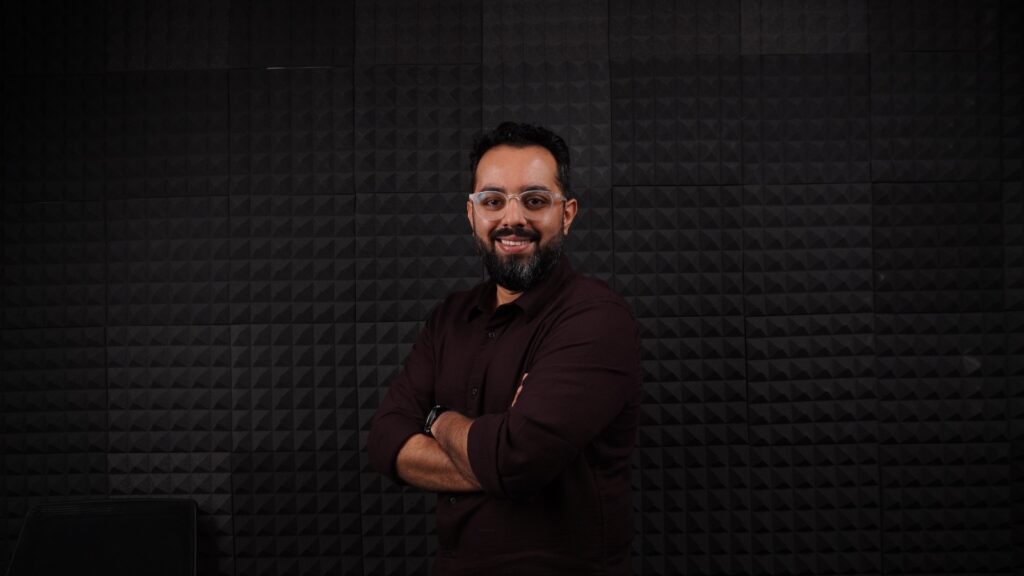
The article has been written by Avanish Agarwal, Founder, Nutriiya