As the world marks International Women’s Day 2026, leaders across the global technology ecosystem are emphasizing a simple but powerful principle: meaningful progress in innovation, leadership, and security will only come when access, opportunity, and mentorship are intentionally shared.
Across sectors, from artificial intelligence and cybersecurity to digital infrastructure and enterprise software, women leaders say the future of technology will depend not only on advanced tools and algorithms but also on inclusive leadership that opens doors for emerging talent and diverse perspectives. This year’s theme of “Give to Gain” has sparked conversations around how mentorship, sponsorship, and equitable access can reshape the technology landscape. For many industry leaders, the conversation begins with a commitment to actively invest in people and perspectives that may otherwise remain excluded from traditional talent pipelines.
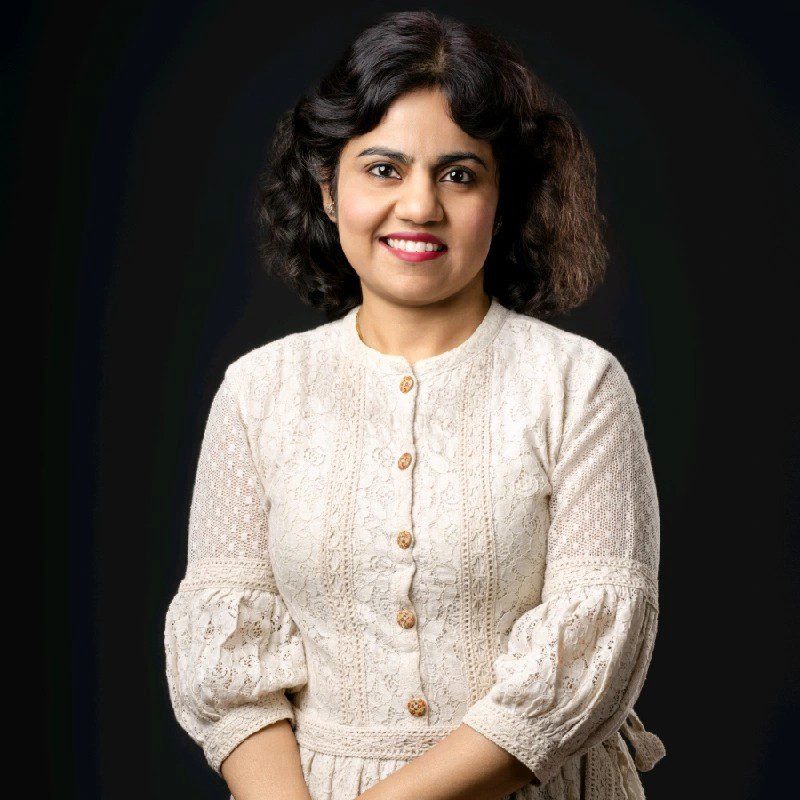
“The one commitment every technology leader should make this year is to invest time in someone who doesn’t look like your usual pipeline, and then truly listen. Real mentorship means committing to diversity of opinion and inclusive, collective thinking. Not tokenism. Not checkboxes. But creating spaces where different perspectives sharpen decisions and surface breakthroughs. In quantum cybersecurity, we’re building infrastructure that will protect both existing and next-gen infrastructure. We cannot afford to do that with a homogenous worldview. My commitment this year is to continue mentoring tomorrow’s leaders on next-gen technology – not just the how, but the when to use it and when not to. That judgment, that wisdom, is what transforms a capable professional into a true leader. Give access. Give perspective. Give wisdom. Gain the future,” said Sudiptaa Paul Choudhury, CMO, QNu Labs.

The idea of leadership as an act of empowerment rather than authority is echoed by several technology leaders, who believe mentorship and humility are central to creating stronger teams and sustainable innovation. “If there is one commitment I would urge technology leaders to make this year, it is to intentionally lift others as they rise. Leadership is not just about leading the way or having a voice; it is also about being one among your people. True leadership begins with humility, listening, learning, and growing together. You also cannot expect everyone to have all the answers, and that’s perfectly okay. A good leader helps people discover what they are naturally good at and creates space for those strengths to flourish, rather than asking them to become something they are not meant to be. I strongly believe that when leaders give their time, trust, and opportunities to others, especially by encouraging emerging voices and nurturing new talent, the entire ecosystem becomes richer and more human. Everyone needs an opportunity at some point in their journey, and thoughtful leaders can make that moment possible. As women leaders, we have a particularly meaningful role to play in this journey. Every time we support, mentor, and encourage another woman to step forward with confidence, we quietly change the narrative for the next generation. There is no better place for a leader to be than to see their people grow, contribute, and take their place with confidence. In many ways, that is the true reward of leadership. To me, the “quality of mercy is twice blessed”, it blesses the one who gives and the one who receives. In many ways, that is what true leadership and the spirit of “Give to Gain” is all about,” said Melody Lopez, Director and Chief of Staff at SoftwareOne.
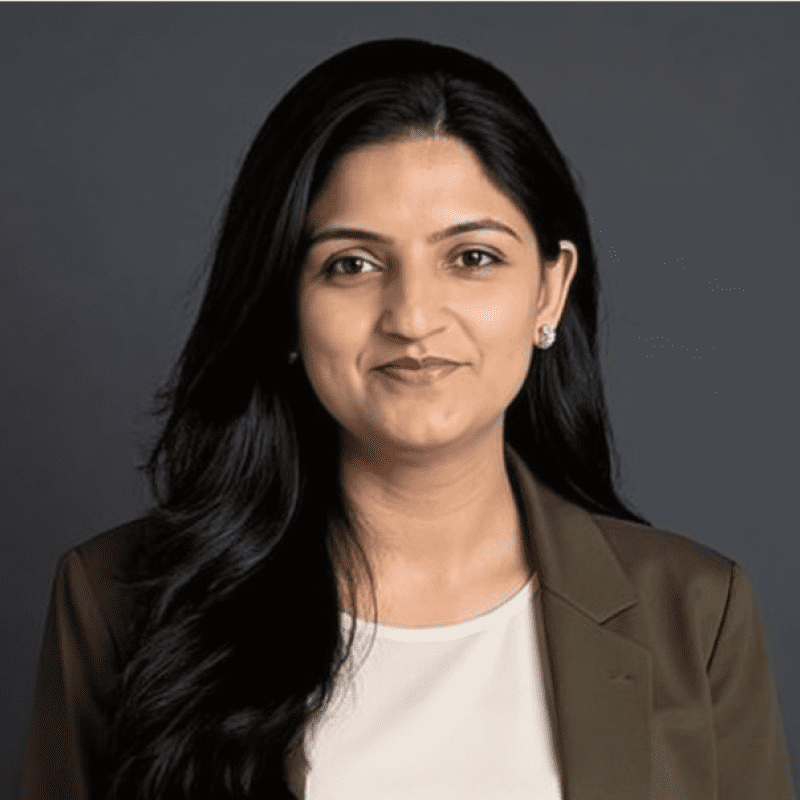
Another critical dimension of the discussion this year centers on expanding women’s participation in STEM fields and cybersecurity, where the gender gap remains significant despite growing demand for skilled professionals. “The technology industry is evolving rapidly, but one challenge that still remains is ensuring more women have access to opportunities in STEM – especially in areas like cybersecurity, where the gender gap continues to be significant. One meaningful way technology leaders can embody the “Give to Gain” philosophy this year is by intentionally creating pathways that help more women enter and grow in these fields. In my experience working in technology, progress happens faster when leaders move beyond encouragement and intentionally invest in mentorship, sponsorship, and visibility for women entering the industry. Cybersecurity and emerging technologies are tackling increasingly complex global challenges, and diverse perspectives are essential for building stronger, more innovative solutions. Living the “Give to Gain” mindset means sharing knowledge, creating access, and supporting communities that help girls and women see a future for themselves in technology. When leaders give their time, guidance, and platforms to elevate new voices, the entire industry gains – through better ideas, stronger collaboration, and a more resilient tech ecosystem. Ultimately, it’s about building a future where talent, curiosity, and passion, not barriers, determine who gets to shape the next generation of technology,” said Neha Kaushal, Senior Marketing Manager – Global Campaigns at Acronis.

The human dimension of cybersecurity and leadership is another theme emerging strongly from industry voices. “Cybersecurity is often seen as technical and intense, but for me, it has always been deeply human. At its core, it’s about trust – helping organizations feel secure, prepared, and resilient in a constantly changing world. As a woman in marketing within cybersecurity, I’ve learned that leadership isn’t about having the loudest voice in the room. It’s about listening, asking thoughtful questions, and creating space for collaboration. It’s about translating complexity into clarity and helping others move forward with confidence. Over the years, I’ve realized that empathy, adaptability, and resilience – qualities many women naturally bring to leadership – are powerful strengths in this industry. They allow us to bridge gaps between technical teams and business leaders, between strategy and execution, and between challenge and opportunity. At Securonix, my role goes beyond building campaigns. It’s about enabling people, empowering our teams, supporting our sales partners, and contributing to a culture that values diverse perspectives and shared success. This International Women’s Day, I reflect on the importance of leading with purpose and authenticity. When we support one another, embrace innovation, and bring our whole selves to the table, we don’t just grow professionally – we help shape a more inclusive and resilient future for our industry,” said Vinny Sharma, Senior Director – Global, Field & Channel Marketing, Securonix.
Cybersecurity leaders also highlight that the sector’s future will depend on developing inclusive talent pipelines and strengthening India’s digital security ecosystem.
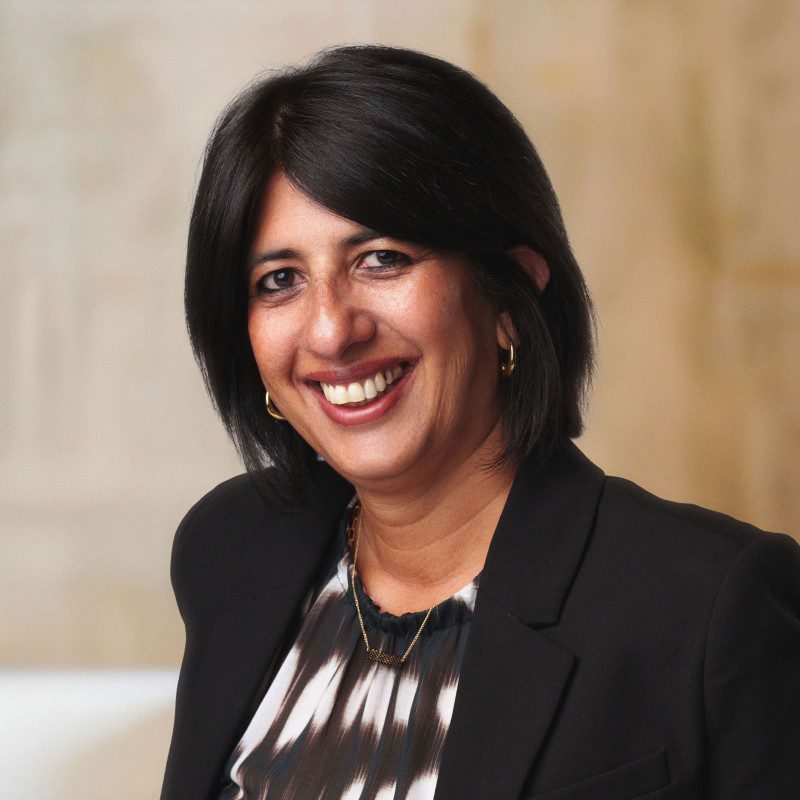
Praniti Lakhwara, CIO at Zscaler, emphasized the importance of building a diverse cybersecurity workforce and fostering communities: “India is moving fast on AI supported by clear policy direction and a rapidly evolving technology ecosystem. It’s an exciting moment, because AI has the potential to accelerate everything from citizen services and financial inclusion to enterprise innovation and productivity. But as adoption scales, so does complexity and the attack surface grows right alongside it. That’s why trusted, AI-enabled security and a future-ready cybersecurity workforce aren’t “nice to have.” They’re essential to sustaining India’s digital growth with confidence. In cybersecurity, the stakes are uniquely high. We’re seeing adversaries use automation and AI to move faster, hide better, and target organizations at scale. At the same time, businesses are under pressure to innovate quickly – often across hybrid environments, distributed users, and expanding data footprints. Navigating that tension requires not only the right technology, but also strong security leadership and talent that can think strategically about risk, resilience, and trust. That’s also why representation and inclusive talent development matter so much, especially in a field like cybersecurity, where diverse thinking directly strengthens outcomes. Women bring critical perspectives to security: from risk assessment and policy to user-centric design and decision-making under pressure. When teams reflect the diversity of the communities and customers they serve, they’re better equipped to anticipate threats, challenge assumptions, and build security that works in the real world. Through Women in Zscaler Empower (WIZE), we’re building a community that fosters mentorship, accelerates career progression, and develops the next generation of leaders in cybersecurity. For many women, the biggest barriers aren’t capability or ambition they’re access, sponsorship, and visibility. WIZE is designed to help address that gap by creating connection, guidance, and pathways to leadership. We’re equally committed to building broader talent pipelines because the scale of India’s digital ambition demands it. Our newly launched AI & Cyber Threat Research Center with Bharti Airtel is one example of that commitment in action, helping develop the next generation of security talent and advancing research to stay ahead of evolving threats. These investments aren’t peripheral to innovation they’re what make innovation sustainable. For India to deliver digital ambition at scale, inclusive talent development can’t sit on the side. It’s foundational to building secure, trusted infrastructure and to ensuring we can keep pace with a threat landscape that will only continue to evolve.”
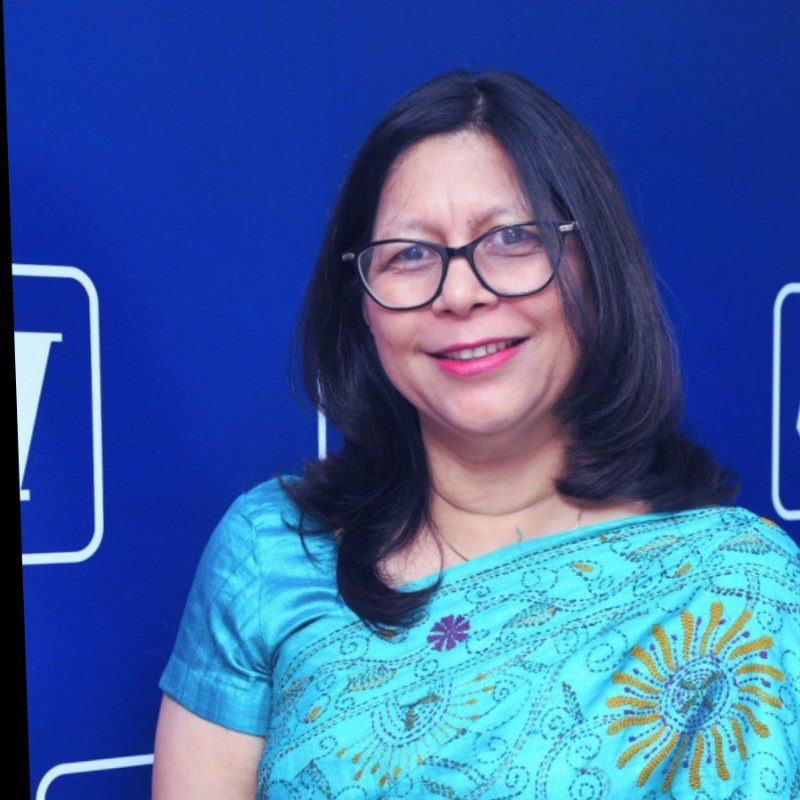
Many leaders also stress that learning must be a two-way exchange between experienced professionals and the next generation entering the workforce. “For me, Give to Gain for tech leaders, not just women, means spending time with undergraduate students who will soon be entering the workforce, as well as with new hires. While we share our experiences, we also gain their perspectives and new learnings. It becomes a two-way interaction that encourages a more collaborative approach. We must be prepared to engage with the next generation of employees and students with the understanding that what worked for us may not necessarily work for them. It is important to remain mindful of the rapidly evolving technology landscape and the realities of today’s constantly changing VUCA environment,” said Lata Singh, Advisory Council Member at TalentNomics India and Former Partner, IBM.

Leaders also point out that closing representation gaps in the technology sector requires structural changes in how organizations evaluate leadership, develop talent, and distribute opportunities. “For decades, the conversation around gender equality has focused on barriers. This year’s IWD theme, “Give To Gain”, calls for something more concrete – a shift toward what deliberate generosity at scale can unlock across industries and institutions. Leadership accountability in DE&I is no longer a matter of intent but a matter of action. Giving, in its most productive form, is the transfer of access. Access to networks. Access to decision-making tables. Access to high-stakes assignments that build careers and shape outcomes. When leaders do it consistently and intentionally, organizations stop losing talent to systems that were never designed to retain it. The technology sector carries a distinct responsibility. Representation gaps at senior and technical levels persist and disrupting that pattern demands more than just intent. It requires leaders who sponsor talent boldly, advocate publicly, and measure their own success by the progress of those they elevate. DE&I cannot function as a parallel programme running alongside the core business. Organizations that embed it into their talent strategy, succession planning, and leadership evaluation will see the return. At Commvault, our DEI approach focuses on incorporating diverse, inclusive, and equitable practices throughout the organization to deliver our commitment of cultivating a culture of innovation and belonging. The ‘Give To Gain’ principle reflects a broader truth about how resilient organizations are built. Equity is not a milestone to be reached, but a discipline to be practiced, which is then sustained through consistent, intentional action at every level of leadership,” said Jill Macmurchy, Chief Customer Officer APAC at Commvault.

Several leaders also reflected on the personal journey of women in technology and the importance of persistence and visibility. “When I started my career in software engineering, I was often the only woman in the room and sometimes, the only one who didn’t think that was unusual. Presence is powerful. Being visible in a technical leadership role sends a signal to every young woman who wonders whether she belongs: she does. My message to women in tech is simple: don’t quit. There will be moments of self-doubt, moments where you feel unseen or unsupported but the answer is to find your people and build your support system. At Salesforce, I’ve seen firsthand how equal opportunity and equitable environments don’t just make teams better, they make the work better. Seek out mentors, allies, and communities that keep you anchored in the work you love. As we build AI-powered systems that will shape how the world works, the people building them must reflect the world they’re building for. The goal isn’t just for women to be present in technology, and it’s for them to be leading it, shaping its direction and its values,” said Parul Jain, VP Software Engineering at Salesforce.
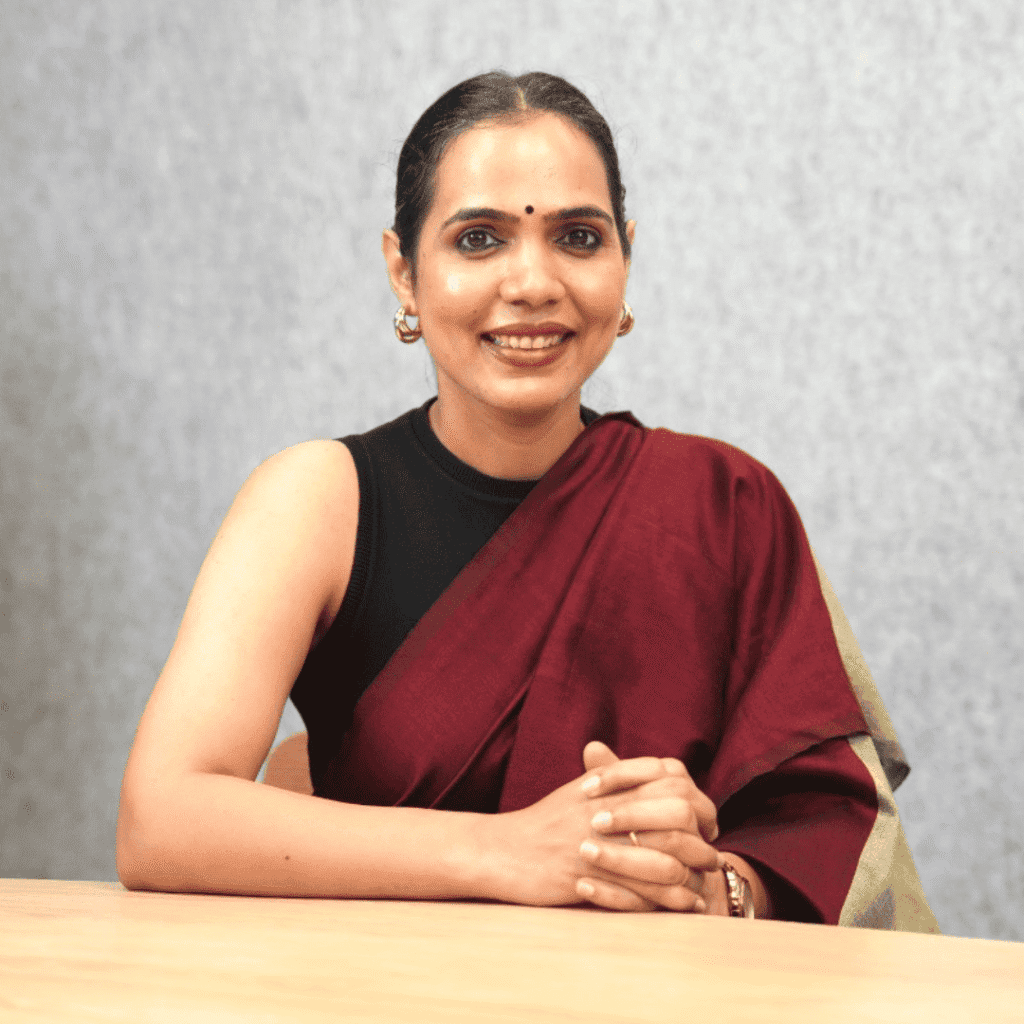
Similarly, organizations are increasingly focusing on building workplace cultures where inclusion translates into real opportunities for growth and leadership. “Enduring progress comes from investing in others. When organisations create space for mentorship, support women returning to workforce, sponsor emerging leaders, and build a strong sense of belonging, the benefits extend beyond individual careers. Shared opportunity builds stronger capability across teams. Inclusion improves when collaboration is rewarded and people feel safe to speak up. At Comviva, we focus on practical actions that help women grow into leadership: through merit-led opportunities, continuous learning, and visibility on high-impact work. This reflects our EVP: Rise at global scale, Reinvent your growth, and Outshine with impactful work. When more women rise, the organisation rises with them,” said Bhagwati Chhabbarwal Shetty, CHRO at Comviva.
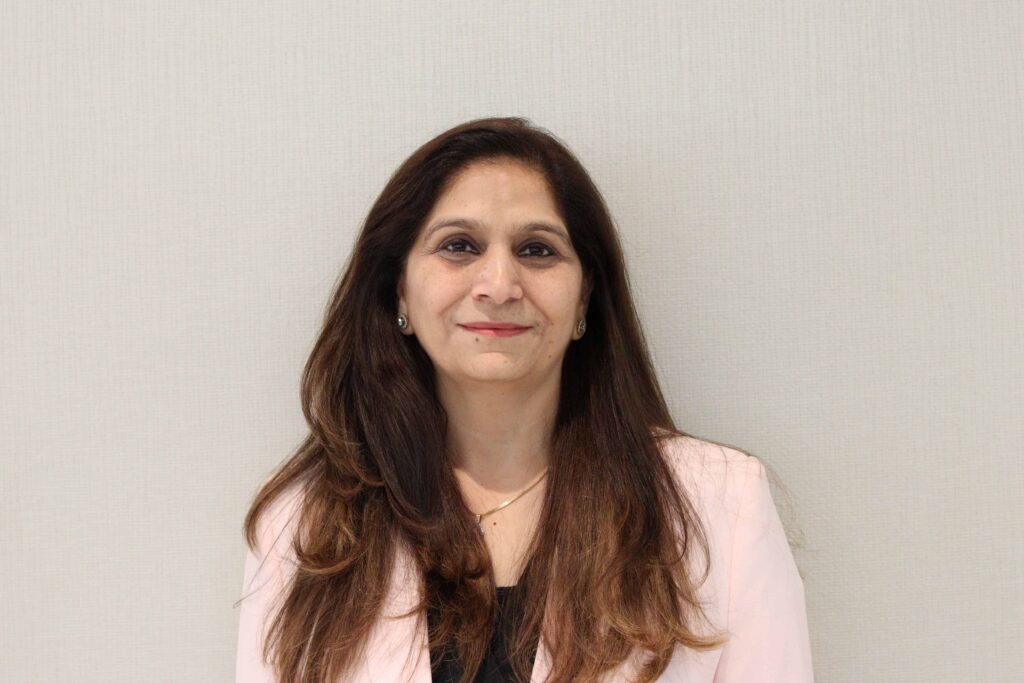
Business leaders also point out that gender diversity is not only a social imperative but a strategic advantage for companies navigating the AI-driven future. “Companies with gender-diverse leadership are significantly more likely to outperform financially, yet women remain underrepresented in executive roles. The real question for businesses today is simple: how much potential are we leaving untapped by not bringing more women into leadership? As we enter the AI era, innovation will not come from algorithms alone. It will come from the diversity of human perspectives shaping them,” said Simmi Dhamija, Chief Operating Officer at AIONOS.
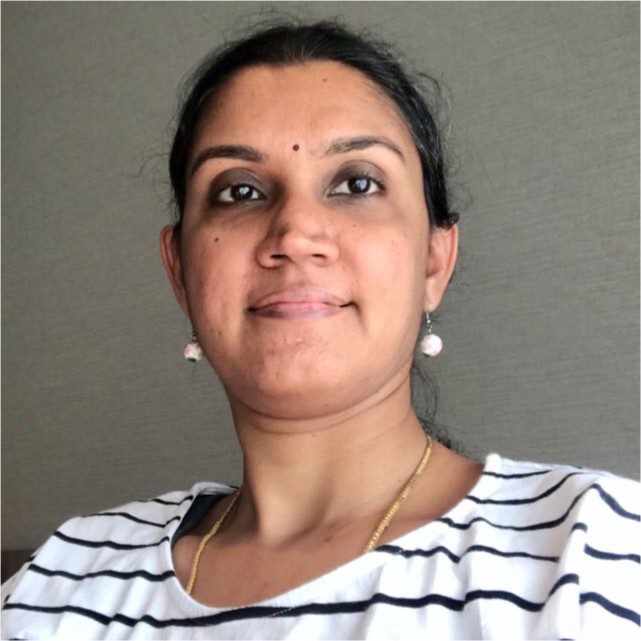
Similarly, industry leaders say organizations must intentionally create pathways that allow women to take on leadership roles and influence strategic decisions. “The theme ‘Give To Gain’ resonates because it reflects something we see in real life, not just on a campaign banner. Growth rarely happens in isolation. It happens when someone shares an opportunity, extends trust, or opens a door. At ManageEngine, empowering women is not a one-day conversation. It is about ensuring access to meaningful roles, leadership pathways, and the confidence to take on larger responsibilities. When organizations consciously create that space, the impact shows up in stronger teams, better ideas, and more resilient businesses. Progress is cumulative. The more we enable each other to succeed, the more we all move forward, and that is a future worth building together,” said Deepa Kuppuswamy, Director of Security at ManageEngine, a division of Zoho Corporation.

“In infrastructure, we design redundancy to eliminate risk. In leadership, we must design opportunity to eliminate exclusion. This International Women’s Day theme, “Give to Gain,” is not philosophical; it is operational. Progress in mission-critical industries like digital infrastructure happens when access is intentional and opportunity is structured. Digital infrastructure runs on precision, discipline, and long-horizon thinking. It performs better when the teams designing power systems, planning capacity, managing risk, and shaping strategy reflect diverse expertise. Inclusion is not a parallel initiative; it is a performance advantage. Mentorship compounds capability. Sponsorship accelerates confidence. Exposure builds decision muscle. When we give women stretch roles, real authority, and measurable outcomes, we don’t just uplift individuals, we strengthen the operating system of the organisation. Gender equity in STEM will not be solved by visibility alone. It will be solved by access to core functions, to boardroom discussions, to technical ownership, and to leadership pathways. We are deliberate about creating those pathways. Infrastructure excellence and inclusive leadership are interdependent. When women are trusted to design, operate, and lead mission-critical environments, the organisation becomes more resilient by design. In an always-on industry, reciprocity must be engineered just like resilience. What we give deliberately opportunity with trust and responsibility, we gain sustainably in execution, relentless innovation, and unbreakable impact,” said Pooja Vashisht, Head – Marketing and Communications at Techno Digital.
Industry experts also say organizations must strengthen programs that prepare women for leadership roles in advanced technology domains.
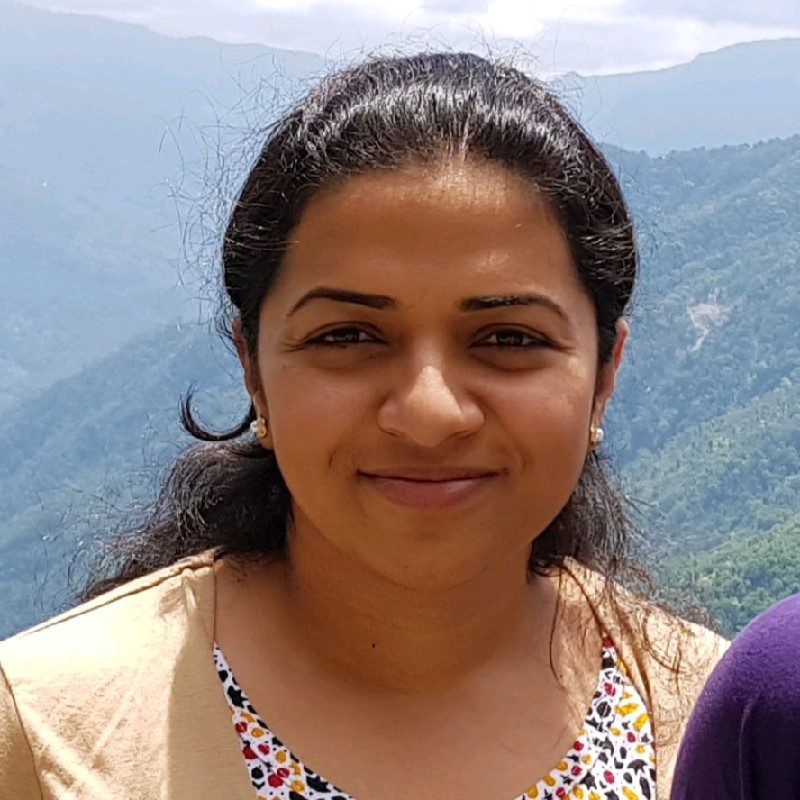
“Despite the increasing awareness of gender disparity, women remain underrepresented in technology leadership, and that includes cybersecurity. As cyber threats evolve, it is equally critical for our technology and leadership to follow. To establish a more inclusive and competitive industry, organizations have to launch initiatives to support and advance women in leadership. Structured leadership development programs focused on upskilling and networking build relevant skills and confidence in women to step into leadership roles while expanding their professional networks. As the Practice Head, Data Analytics and AI at Inspira Enterprise, I believe women technology leaders bring a fresh perspective and strategic thinking that can fuel innovation to strengthen digital defenses, helping organizations to stay a step ahead of emerging threats. This International Women’s Day, I celebrate the courage and commitment of women leaders who overcome barriers of gender bias in the tech industry to achieve their goals,” said Swetha Srivastava, Practice Head – Data Analytics and AI at Inspira Enterprise.
Finally, technology leaders say building stronger talent pipelines for women in STEM will have a direct impact on innovation and engineering excellence. “For Women’s Day 2026, my message to the ecosystem is simple. Invest in women as builders, and the returns compound across products, teams, and leadership. Give to Gain is especially relevant for STEM careers. Give early exposure, give access to real projects, give strong mentorship, and give sponsorship that opens doors to growth opportunities. The gain is not just representation. It is stronger engineering, better quality, and more resilient teams. India has no shortage of talent. The gap is often confidence, visibility, and continuity, especially during key life transitions. Flexible policies help, but what matters even more is intent translated into action. This means fair evaluation, transparent pathways, and leaders who actively advocate for women when opportunities are being allocated. When we reduce friction for women in technology, we do not just support careers. We expand the country’s innovation capacity,” said Raka Singh, Senior Engineering Manager at Analog Devices.