As 2025 concludes, the Indian animation industry reflects a year of resilience, creative triumphs, and profound challenges amid global economic shifts and rapid technological disruption. Valued at around Rs 30 billion, the sector continues to rebound from a 19% decline in 2024 (per FICCI-EY M&E Report). While outsourcing pipelines faced headwinds, domestic demand surged, highlighting a maturing market ready for original Indian content. Projections remain ambitious, with the industry expected to grow at a 15-20% CAGR, potentially reaching between Rs 67 billion to Rs 86 billion by 2030, driven by theatrical content, OTT platforms, government policies, and evolving technologies.
Navigating Challenges and Breakthroughs in 2025.
The year was marked by “profound shifts” in content, workflows, and markets, as noted by industry leaders. Global factors, including Hollywood’s post-strike recovery and budget cuts in international animation commissioning, reduced outsourcing orders for Indian studios. Many, heavily reliant on service work for TV series and OTT projects, experienced project delays, cancellations, and financial strain.
Yet, recovery signals emerged strongly. Post-strike backlogs began trickling in, leveraging India’s cost advantages and retained capacity. Domestically, audience appetite exploded, with films like Mahavatar Narsimha, a 2D/3D mythological epic, becoming the highest-grossing Indian animated feature, crossing Rs 300 crore and earning Oscar qualification buzz for 2026. Trailers for upcoming projects like the Baahubali animated series further fuelled excitement, proving culturally rooted stories can compete globally.
Studios innovated aggressively. Toonz Media Group, PunToon Kids, and Studio Eeksaurus secured co-productions, festival accolades (including Annecy wins), and expansions into gaming and long-form content.
There was a large studio collapse as well with Technicolor shutting down globally which impacted a few thousand Animation jobs in India.
That said, there are new entrants as well. A notable highlight was veteran filmmaker Subhash Ghai’s announcement in October 2025 of SGM Studios, a new animation and gaming division under Mukta Arts, launched on the company’s 47th anniversary SGM aims to produce animated films, series, and games, drawing from Mukta Arts’ legacy IPs of over 40 years. It represents a major push by a legacy film industry player into new Animation IP creation, blending traditional storytelling with modern digital formats. This move will encourage other legacy Film industry players like Yashraj Films, Dharma Productions, and others to follow suit.
Government support bolstered the ecosystem. The AVGC-XR sector gained “champion” status, with the Indian Institute of Creative Technologies (India’s National Centre of Excellence in AVGC-XR) coming up in Mumbai. Over 10 states have released AVGC-XR related policies in the recent past, the latest being the Maharashtra AVGC-XR Policy 2025, offer industry status, subsidies, and co-production incentives.
The Double-Edged Sword of AI Adoption
No trend defined 2025 more than artificial intelligence. AI tools accelerated workflows – automating storyboarding, asset creation, clean-ups, and even initial animations – allowing studios to experiment with hybrid 2D/3D styles at lower costs. Lower-cost software and AI were widely adopted, often described as “slot-machine like” in their early unpredictability but transformative in efficiency.
However, AI’s impact on jobs sparked intense debate and anxiety. The FICCI-EY report warned that AI adoption in manual tasks like rotoscopy, cleaning, coloring, and compositing could significantly affect India’s outsourcing edge, leading to job displacement. Industry discussions projected that within 1-2 years, AI might automate these processes entirely; in 3-5 years, it could generate substantial portions of films, including backgrounds and character animations. Surveys highlighted high concern, with over 50% of animation and VFX professionals fearing disruptions.
Job losses were real in entry-level and repetitive roles, exacerbating uncertainty from global slowdowns. Yet, many viewed AI as an augmenter rather than replacer. It created demand for new skills – prompt engineering, AI oversight, and hybrid creative-tech roles – while enabling smaller studios to produce more. Upskilling emerged as critical, with institutions like Whistling Woods emphasizing AI-integrated training. Overall, while short-term pain affected thousands, long-term projections suggest net job growth through expanded production and new opportunities in domestic IP and gaming crossovers.
Key Trends Shaping the Year
- Shift to Original IPs: Reduced outsourcing dependency drove investment in Indian narratives, especially mythological and family-oriented content.
- AI and Tech Integration: From AR/VR for interactive media to AI-driven efficiencies, technology lowered barriers but raised reskilling needs.
- Domestic OTT Boom: Platforms invested heavily in animated series, fueling consumption.
- Talent and Policy Ecosystem: Expanding skilled pools, though gaps persisted; initiatives like NCoE aimed to create thousands of jobs.
Outlook for 2026-2028: Growth Amid Transformation
The next 2-3 years signal a “transformative” era. The animation segment could touch Rs 45 billion by 2027, with broader AVGC contributions surging. Drivers include:
- Domestic Demand Explosion: Rising middle-class cinema viewership for Animation and OTT funding will prioritize originals, including mythological epics and franchises.
- Outsourcing Rebound and Co-Productions: Global spends rising to $206 billion in 2025 will restore pipelines, bolstered by India’s advantages.
- AI Evolution: Maturing tools will boost efficiency but necessitate widespread upskilling to offset displacements. New roles in AI-human collaboration will emerge, potentially creating more jobs than lost.
- Major Initiatives and Projects: SGM Studios’ launches could inspire similar legacy-to-animation shifts. Watch for Mahavatar Parashuram (2027), Chhota Bheem expansions, and adaptations like Ramayana. Gaming-animation hybrids will proliferate.
- Policy-Driven Expansion: Subsidies and skill universities will align talent with needs, fostering regional hubs.
In Conclusion
While AI-induced job shifts, talent shortages, and infrastructure gaps remain, focused IP investment, hybrid models, and government backing will drive resilience. 2025 tested the Indian animation industry’s mettle, blending creative highs like Mahavatar Narsimha and bold moves like SGM Studios with AI disruptions and economic hurdles. As AI reshapes jobs, displacing routine tasks while opening creative avenues, and domestic stories take center-stage, the sector is poised for global prominence. The next few years will define India as a storytelling powerhouse, where technology amplifies rather than diminishes human ingenuity.
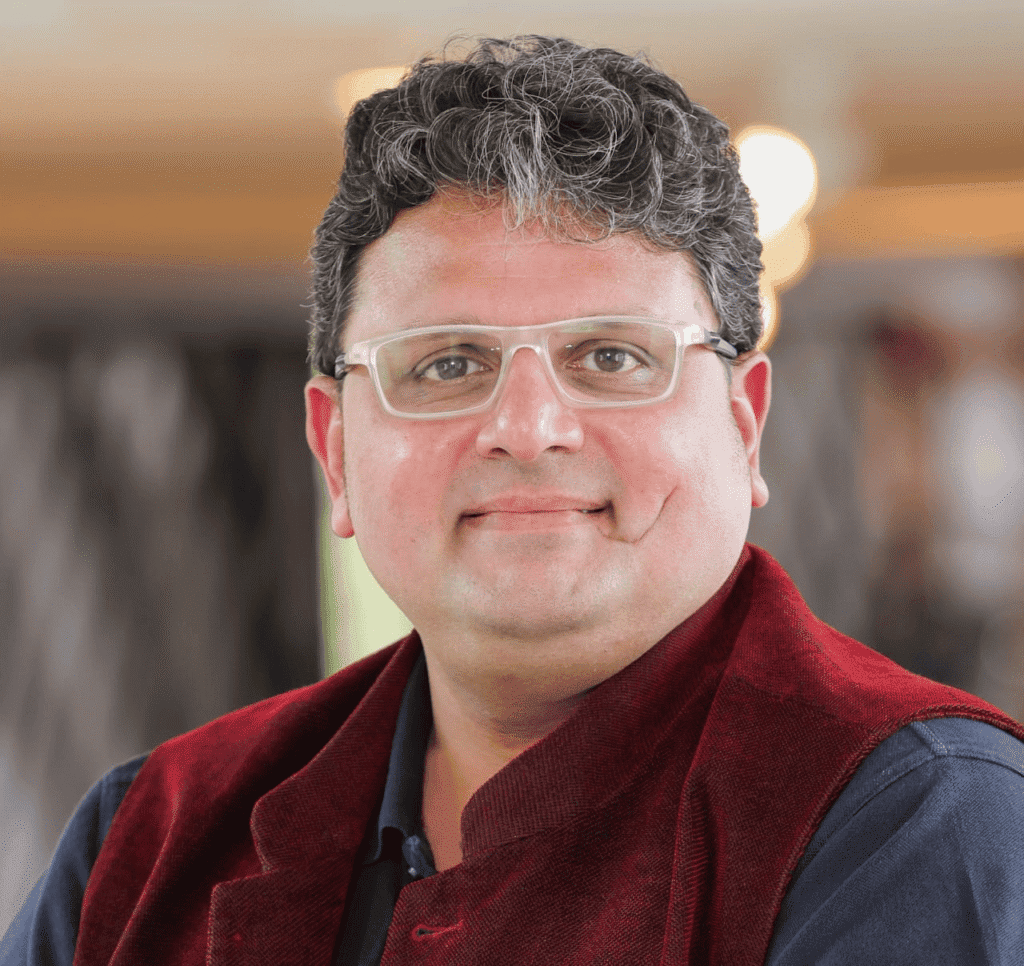
The article has been written by Chaitanya Chinchlikar, Vice President and Chief Technology Officer, Whistling Woods International