The way people think about home security is changing rapidly. For years, homeowners evaluated security solutions based on physical strength, durability, and resistance to break-ins. Today, the conversation has shifted toward convenience, intelligence, and identity-based access. As smart homes become more connected and consumers increasingly prioritize seamless experiences, biometric authentication is emerging as the next frontier in residential security. The evolution is being driven by a simple reality: traditional methods of access are becoming less aligned with modern lifestyles. Physical keys can be misplaced, passwords can be forgotten, and access credentials can be shared. In an increasingly digital world, homeowners are looking for security systems that can identify people rather than verify objects.
This shift is accelerating the adoption of advanced biometric technologies such as 3D facial recognition and palm vein authentication, both of which are reshaping how homes are protected in 2026 and beyond.
Also read: Powering Smart Homes: Why WiFi Infrastructure Matters More Than You Think
Unlike conventional authentication methods, biometric technologies rely on unique human characteristics that are significantly more difficult to duplicate. What makes the latest generation of solutions particularly noteworthy is their ability to deliver highly accurate, reliable, and seamless identity verification.
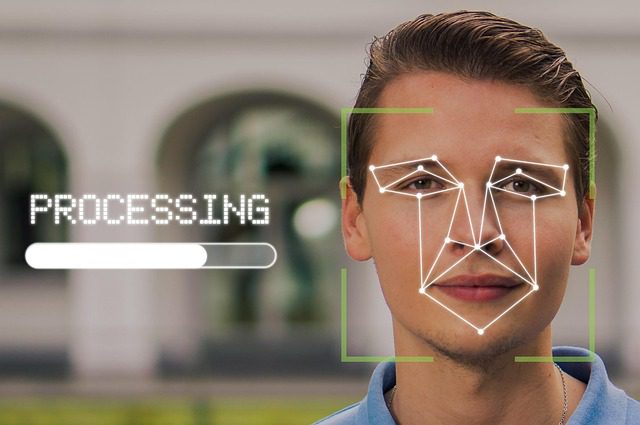
3D facial recognition, for instance, goes beyond simply matching a photograph to a stored image. It analyses depth, contours, and facial structure to create a highly accurate digital profile. These systems are designed to recognize authorized users even when factors such as lighting conditions, hairstyles, eyewear, or facial expressions change over time.
This represents a significant advancement in security because it reduces the possibility of spoofing attempts while offering a frictionless access experience. Homeowners no longer need to search for keys or remember codes; access becomes both secure and intuitive.
Alongside facial recognition, palm vein technology is emerging as one of the most sophisticated forms of biometric authentication available today. By analysing the unique vein patterns beneath the skin using near-infrared light, the technology verifies identity based on characteristics that are internal to the human body and extremely difficult to replicate.
The appeal of palm vein recognition lies not only in its security advantages but also in its reliability. Unlike fingerprints, which may be affected by cuts, moisture, dirt, or wear over time, vein patterns remain stable and consistent. This makes the technology particularly suited for environments where accuracy and convenience are equally important.
The growing interest in these innovations reflects a broader transformation taking place across the smart home ecosystem. Security is no longer viewed as a standalone function. Instead, it is becoming an integrated part of connected living, where devices communicate with one another to create safer, more responsive environments.
Modern biometric security systems are also becoming more capable of adapting to changing user needs while maintaining high levels of accuracy and reliability. This supports a more proactive approach to home protection, moving beyond simple access control toward comprehensive residential security.
Another factor driving adoption is the increasing demand for touchless interactions. Consumers today expect convenience in nearly every aspect of their daily lives, and security is no exception. Contactless biometric technologies align with this expectation by delivering secure access without requiring physical credentials or direct contact with devices.
Looking ahead, identity is likely to become the primary key to the home. As biometric technologies continue to mature, security solutions will increasingly focus on recognizing and authenticating individuals with greater precision while minimizing friction for authorized users.
The future of home security will not be defined solely by stronger locks or more connected devices. It will be defined by how effectively technology can verify identity, anticipate security risks, and create seamless experiences. Innovations such as 3D facial recognition and palm vein technology are already transforming the industry and setting new standards for residential security.
As homes become smarter and consumer expectations continue to evolve, these technologies are set to become a defining feature of the next generation of connected living.

The article has been written by Sharad Kapoor, Director and Head of Yale Retail SAARC